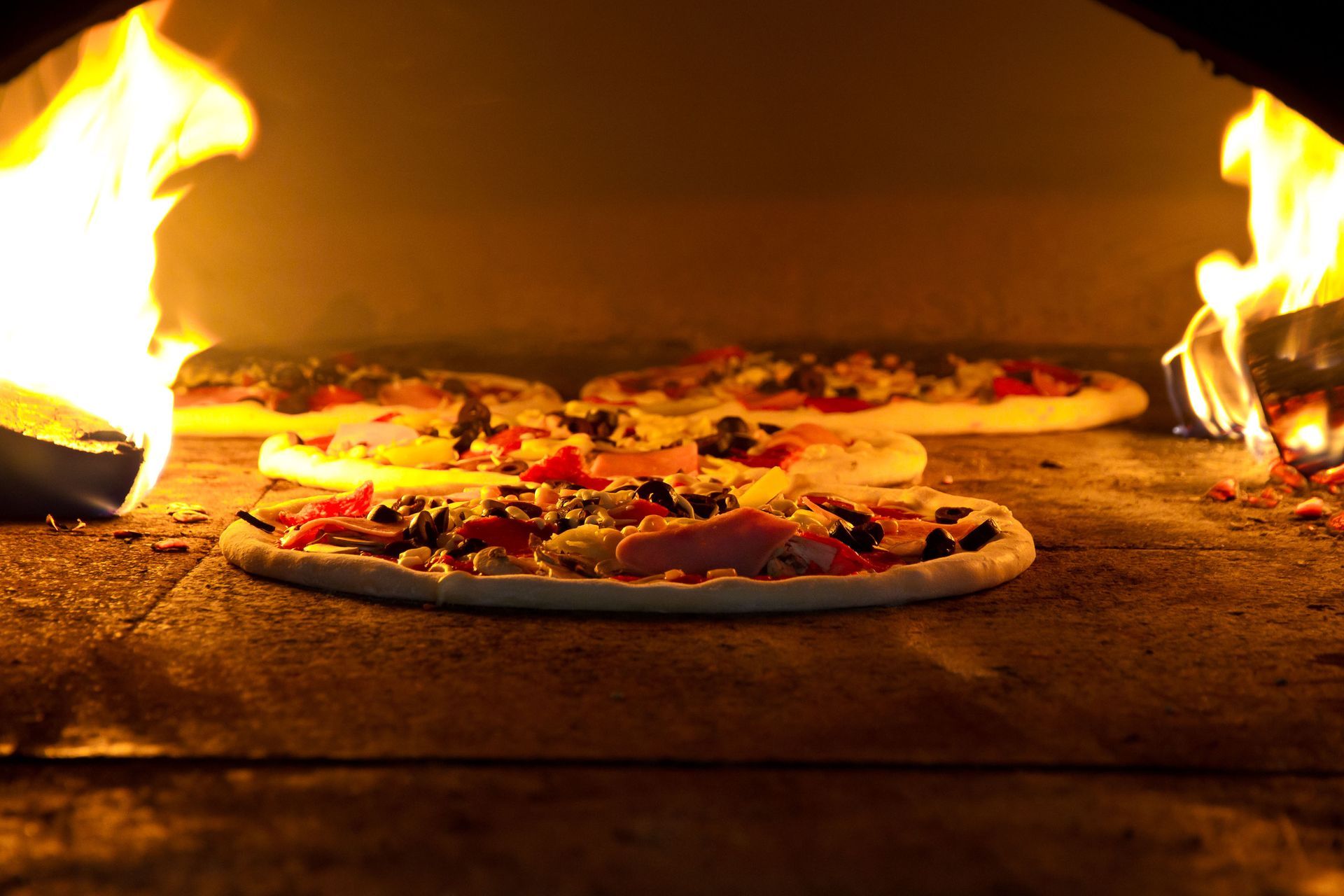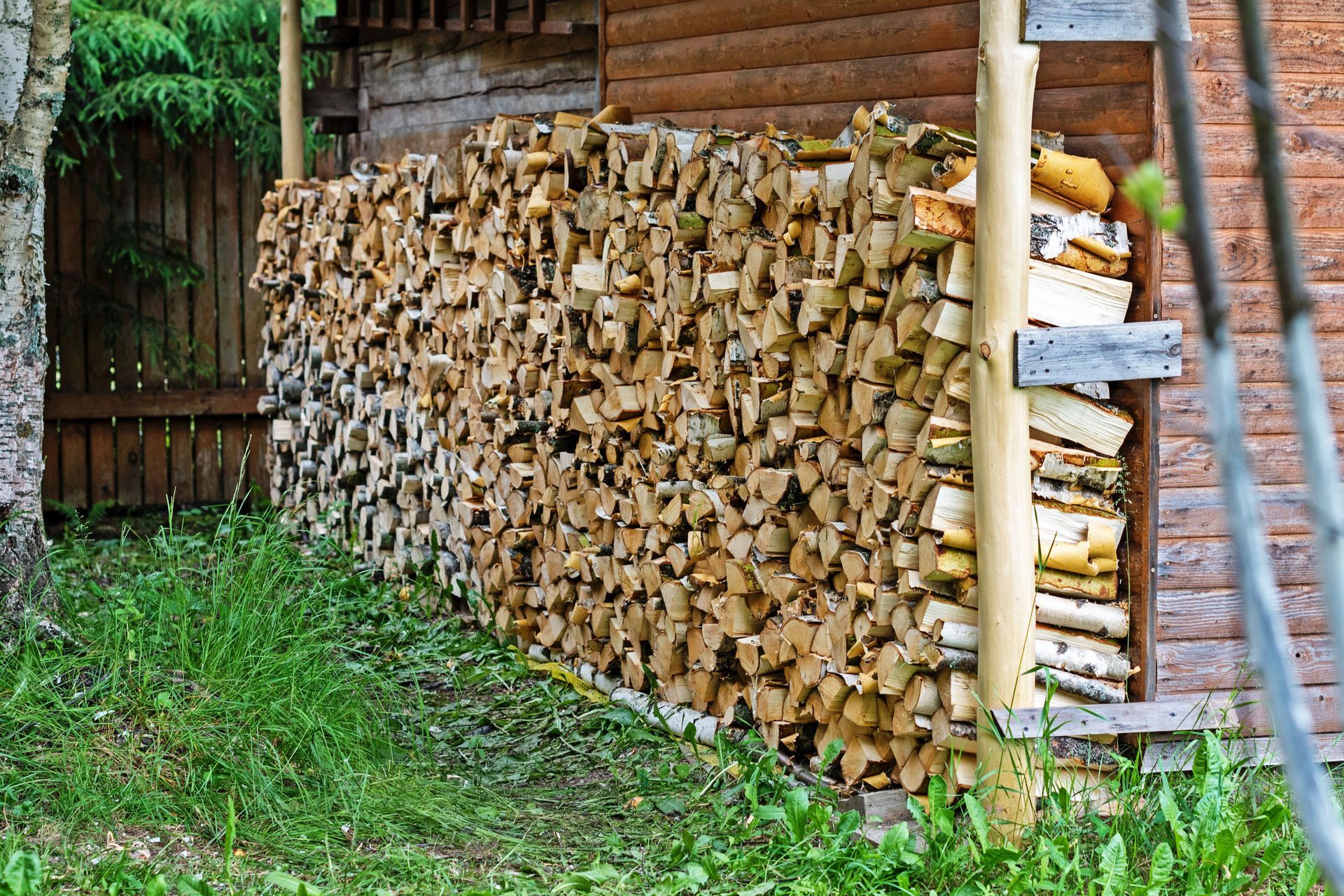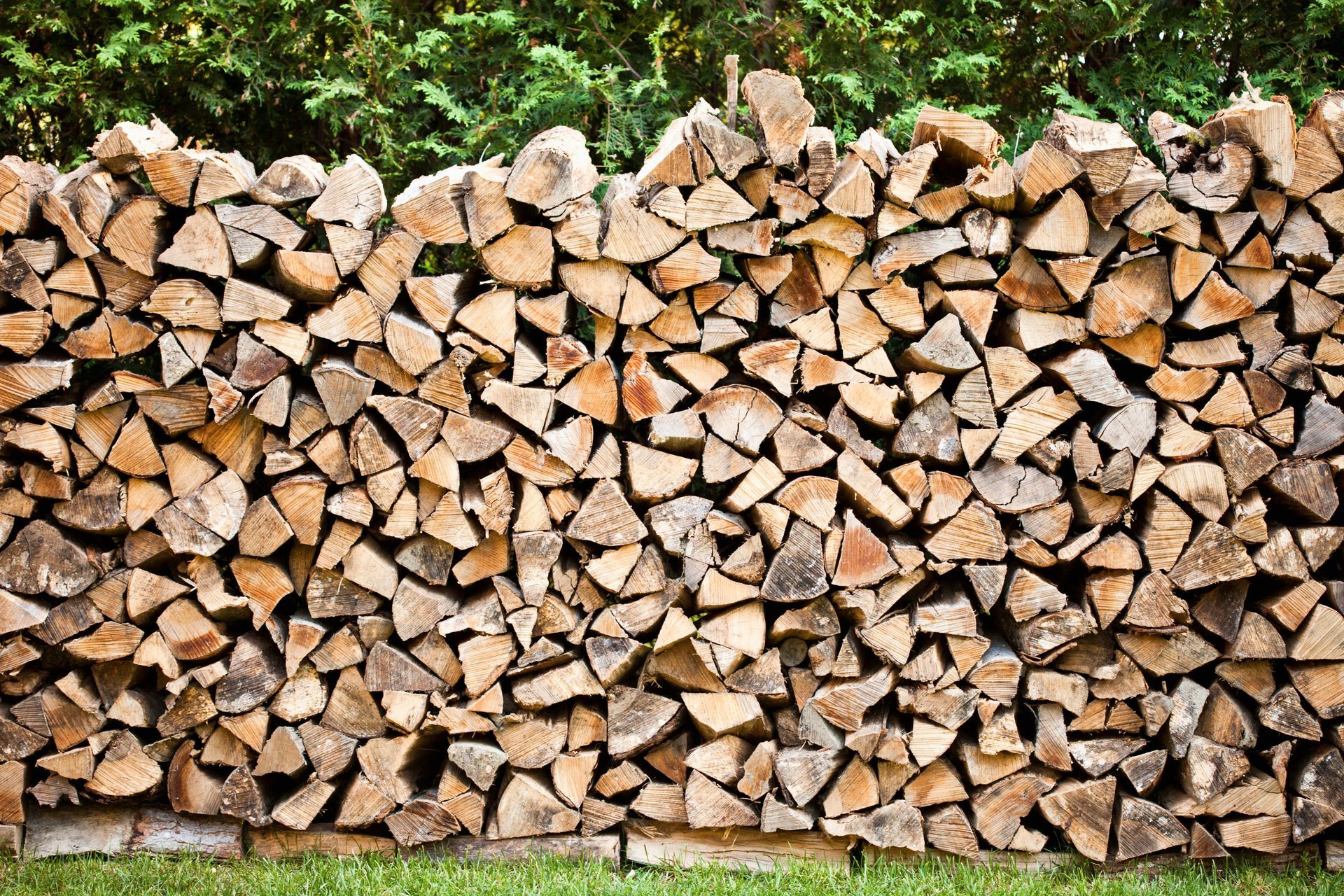
Cooking your pizza with the best wood can profoundly affect the texture and aroma of your pie, giving it a distinct character. It's not just about getting the fire going; it's about the unique properties of each wood type that contribute to a superior pizza. As interest in traditional pizza-making methods rises, so too does the demand for specific wood types, echoing a broader trend within outdoor culinary settings. Let's delve into the intricacies of selecting the ideal wood from your local firewood services, considering factors such as flavor enhancement, burning qualities, and environmental impacts.
Hardwood Varieties
Hardwoods, known for their density and strength, often offer longer burn times and a hotter flame. Oak, maple, ash, hickory, and beech are popular choices for pizza ovens. They provide not only the heat required for optimal cooking but also impart subtle flavors that enhance the taste of pizza. The choice of hardwood is crucial, as it ensures consistency in heat and a stable cooking environment. Each hardwood variety provided by firewood services has its unique characteristics, contributing differently to the cooking process and the final flavor profile of the pizza.
Oak
Oak is a highly sought-after wood from local firewood services due to its steady burn and robust heat output. Its density allows it to burn longer than many other types, making it an efficient choice for those looking to maintain a constant oven temperature. Oak imparts a mild, smoky flavor that complements but does not overpower the natural taste of the pizza ingredients. It is versatile, pairing well with a broad range of pizza toppings from meats to vegetables. Oak's sustainability and availability make it a practical and environmentally sound choice for many pizza enthusiasts.
Maple
Maple wood is revered among firewood services for its sweet, smoky aroma and moderate burning temperature, ideal for pizza ovens. The sweetness of maple smoke adds a subtle yet distinct flavor that enhances cheeses and lighter toppings. This wood provides steady and reliable heat, ensuring pizzas are cooked evenly from crust to center. Additionally, maple is readily available and often sourced sustainably, making it a favorite among environmentally conscious cooks. It's a versatile choice, working well alone or mixed with other hardwoods to balance flavors.
Ash
Ash wood burns cleanly and produces a consistent heat, making it ideal for use in pizza ovens. Its light smoke flavor enhances the taste of pizza without overwhelming the diverse toppings you may choose. The even burning quality of ash helps achieve a beautifully cooked crust while ensuring the ingredients retain their unique flavors. Ash is also readily available and relatively easy to work with, providing a great balance between flavor, heat, and access.
Softwood Varieties
Softwoods, while less dense than hardwoods, can offer distinct advantages for pizza cooking. Their quicker ignition and higher flame can be useful for starting fires in pizza ovens. However, they are best used in moderation or in conjunction with hardwoods due to their resin content, which can lead to soot buildup and an uneven burn. Despite these challenges, there are certain varieties of softwood, like pine, fir, and spruce, that serve specific purposes in the cooking process.
Pine
Pine is often used as kindling due to its long, hot flame and quick ignition properties. While it isn't typically used as the main wood for cooking pizza, it can assist in getting the oven to an optimal temperature efficiently. The high resin content in pine requires careful management to minimize creosote buildup and ensure a clean burn. When paired with harder woods, pine can help establish the baseline temperature quickly, allowing other woods to sustain it.
Fir
Fir wood ignites easily and burns with a lot of intensity, providing immediate heat benefits within a pizza oven. It's not usually favored for long burns due to its faster burn rate compared to hardwoods, but its role is invaluable in getting the fire started. Fir's moderate smoke flavor and high resin content mean it should be used sparingly and with proper ventilation.
Spruce
Spruce wood is another quick-burning softwood often used to start pizza oven fires. It produces a moderate amount of heat and a lighter smoke compared to pine or fir, allowing it to blend well with hardwoods in a fire. Though not typically used as the primary firewood, spruce contributes to a faster initial heat-up, crucial for efficient cooking processes. It is affordable and generally accessible, valued for its capability to ignite rapidly and provide instant warmth.
Exotic and Fruit Woods
Exotic and fruit woods found among local firewood services offer diverse flavor profiles and aromatic qualities that can transform pizza flavors. These woods, including apple, cherry, pear, olive, and almond, are prized for the unique, subtle tastes they impart into the pizza crust and ingredients. Their usage is less about the heat they provide and more about the layers of flavor that they can add.
Apple
Apple wood is cherished for the sweet, fruity aroma it releases when burned, perfect for enhancing both savory and sweet pizza toppings. It produces moderate heat and is ideally used alongside other woods for a balanced cooking experience. The subtlety of apple wood's smoke makes it versatile, pairing particularly well with pork or ham toppings. Because of its milder nature, it can be used generously without fear of overpowering the overall flavor of the dish.
Cherry
Cherry wood provides a beautifully sweet and lightly fruity smoke, which wonderfully complements a wide range of pizza toppings. Its excellent smoke profile acts as a natural flavor enhancer, making it a favorite for those who enjoy a bit of zest with their meal. Cherry wood burns moderately hot and can produce a unique reddish tone in the pizza crust, adding to its aesthetic appeal.
Pear
Pear wood burns steadily and releases a mild, sweet smoke perfect for delicate pizzas. Known for its subtlety, pear wood enhances without overwhelming, balancing perfectly with lighter toppings or cheese-based pizzas. Its aroma can add depth to the dish, enriching flavors in a nuanced manner. Pear is often used in conjunction with other fruit woods like apple to create a dynamic yet delicate layer of smokiness.
Characteristics to Consider
Choosing the right option from your local firewood services goes beyond flavor; understanding wood characteristics is crucial for achieving cooking efficiency and sustainability. Factors such as burning temperature, heat retention, smoke profile, moisture content, and sourcing are vital in deciding the best wood. Each characteristic impacts both the cooking process and the final flavor profile of your pizza. Consideration of these aspects ensures a balance between culinary perfection and responsible environmental practice. As the fire pit market continues to expand, with projections growing at 5.2% from 2026 to 2033, according to Grand View Horizon, wood selection remains an integral element of this rising trend.
Burning Temperature
The burning temperature of wood influences how evenly a pizza cooks and how flavors develop. Higher temperatures are generally preferred for achieving a crispy crust without overcooking the toppings. Hardwoods like oak and hickory reach optimal pizza-making temperatures efficiently due to their density. Conversely, fruit woods may contribute to flavor at lower temperatures and are often used in combination with hardwoods.
Heat Retention
Heat retention of the chosen wood affects the overall cooking time and consistency within the oven. Woods that can retain heat stabilize the oven's internal temperature, ensuring pizzas are cooked evenly from edge to center. Hardwoods typically offer superior heat retention due to their density, while softwoods may burn too quickly and require frequent replenishment.
Smoke Profile
The smoke profile of wood can significantly influence the final aroma and taste of a pizza. Different woods produce varying smoke levels and flavors, with some adding subtlety and others imbuing a more pronounced taste. Hardwoods generally contribute less dense smoke, preferred for their subtle enhancements, while softwoods might introduce more intense smoke due to higher resin content.
Selecting the ideal wood for your pizza oven is far more than an operational detail; it's an essential ingredient in crafting the perfect pie. From the steady, reliable heat of dense hardwoods to the rapid ignition of softwoods and the rich, nuanced aromatics of fruit woods, every choice directly shapes your crust's texture and flavor profile. For quality wood from firewood services you can rely on, reach out to Chicago Firewood today!