By Jim Hanlon
December 2, 2025
• December 2, 2025
Determining the right amount of firewood for winter is one of the most important steps in preparing a home that relies on wood heat. Many households use fireplaces or wood stoves as a primary or steady supplemental heat source, making it essential to plan ahead and calculate a supply that will last through months of cold temperatures. Because winter weather can be unpredictable, understanding the factors that influence firewood consumption ensures that families stay warm and comfortable without worrying about running out halfway through the season. For many homeowners, working with firewood services provides peace of mind, reliable supply options, and consistent quality throughout the colder months.
The Demands of Wood Heat During Winter
The amount of firewood a household needs depends largely on how heavily the home relies on wood heat. Some families use a wood stove as their primary heating system, while others light fires mainly for comfort or ambiance. Homes that expect to burn wood consistently throughout winter will naturally require more fuel. According to the American Lung Association, wood stoves are often used 24 hours a day, especially in colder climates where temperatures remain low for extended periods. This level of demand significantly increases the amount of wood needed to maintain steady heat. For households with this type of heating routine, consulting with firewood services helps ensure that the supply matches long-term usage patterns.
The Climate and Region You Live In
Winter conditions vary dramatically from region to region, and climate plays a crucial role in determining how much firewood is required. Households in northern or mountainous areas typically experience long stretches of snow and freezing temperatures, leading to higher wood consumption. In contrast, regions with milder winters may only need occasional fires, reducing the overall amount of wood needed. It is important to consider not only the average temperatures, but also the length of the cold season. Firewood services can provide insight into typical usage ranges for specific regions, helping homeowners prepare an appropriate stockpile based on local winter norms.
The Home Size and Heating Characteristics
Larger homes naturally demand more fuel, especially if heat needs to reach multiple levels or spread across wide, open spaces. Smaller homes usually require fewer cords of wood because they retain heat more easily and have fewer rooms to warm. The layout of the home also matters; open floor plans allow heat to circulate more efficiently, whereas homes with many small rooms may require additional burning time to maintain consistent temperatures. Firewood services often assist homeowners by estimating the impact of home size on seasonal wood needs, making it easier to calculate a reliable supply.
The Wood Stove Versus Fireplace Usage
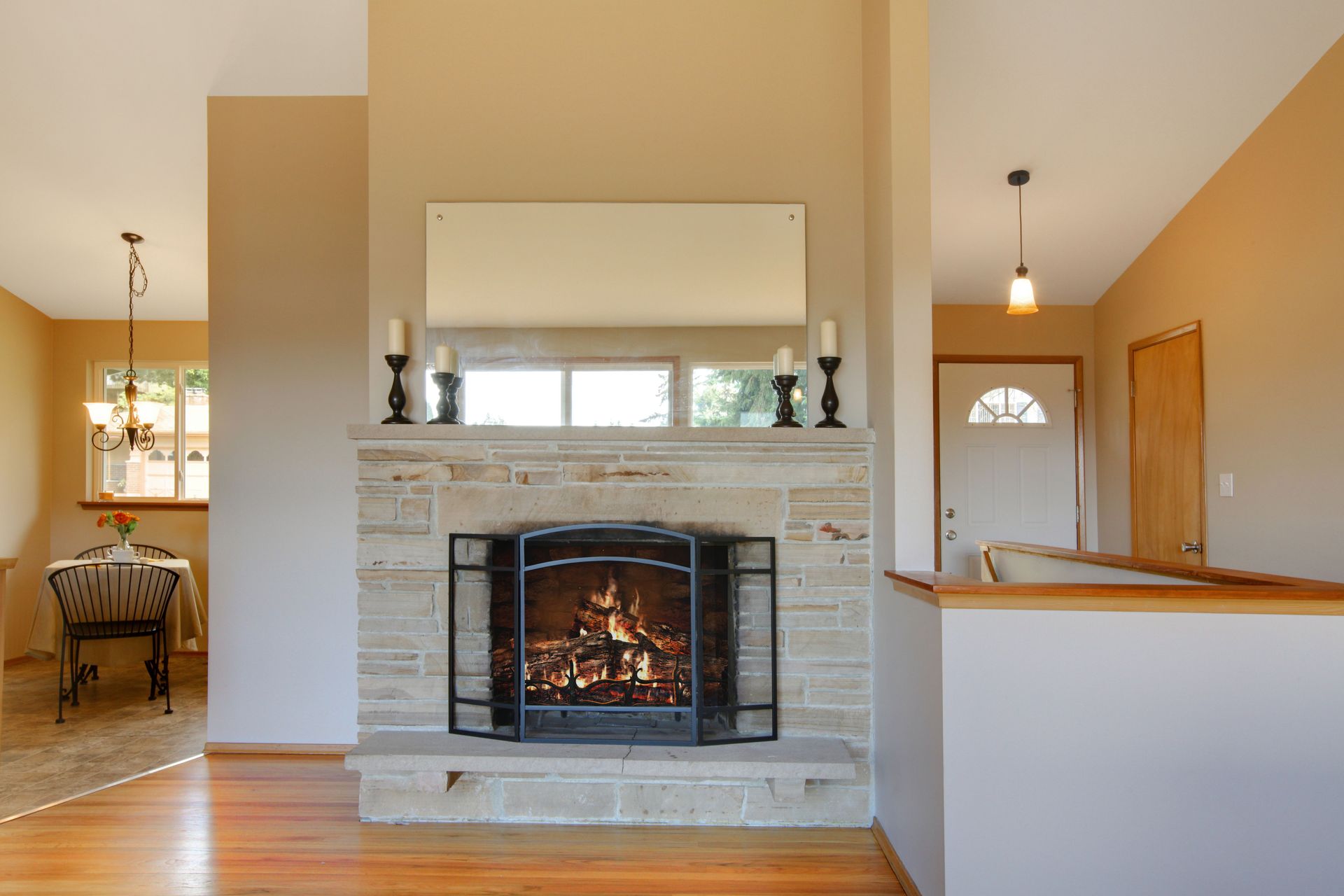
The type of heating appliance used makes a significant difference in firewood consumption. Wood stoves tend to be more fuel-efficient because they are designed to capture and distribute heat more effectively. Traditional fireplaces, while visually appealing, lose more heat through the chimney and require more frequent refueling. Homeowners who rely on fireplaces may need considerably more firewood than those who use efficient stoves. Firewood services can help identify how appliance efficiency influences daily and seasonal usage, providing recommendations that align with the home’s heating goals.
The Types of Wood and Their Burn Characteristics
The kind of firewood a household uses impacts how long the supply will last. Hardwoods such as oak, hickory, ash, and maple burn longer and produce more heat compared to softwoods. Softwoods ignite quickly but burn faster, making them better for shoulder seasons rather than the peak of winter. Homeowners who rely heavily on wood heat often prefer hardwoods because they reduce the frequency of refueling and offer more consistent warmth. Firewood services provide properly seasoned options that burn efficiently, helping households stretch their supply further.
The Estimation of Seasonal Firewood Consumption
Although every household is different, general guidelines can help estimate seasonal usage. Homes that rely on wood heat daily throughout winter may need between three and six cords to stay warm until spring. Homes that use wood only occasionally may need one to two cords. Factors such as indoor temperature preferences, daily burn time, and stove efficiency all influence these totals. Keeping records of past seasons can provide valuable insight into future planning. Firewood services are adept at helping homeowners evaluate their patterns and develop accurate estimates based on previous usage and regional weather expectations.
The Importance of Buying Firewood Early
Securing firewood before the cold weather arrives offers significant advantages. Early purchasing ensures that the wood is well-seasoned and ready for burning, which improves efficiency and reduces smoke and creosote buildup. It also protects homeowners from seasonal shortages that often occur when winter demand peaks. Obtaining wood early also allows families to build a comfortable reserve, which offers peace of mind when unexpected cold fronts or storms appear. Firewood services often encourage early planning because it ensures smoother scheduling and a consistent supply during the busiest months of the year.
The Effects of Storage on the Amount You Can Keep
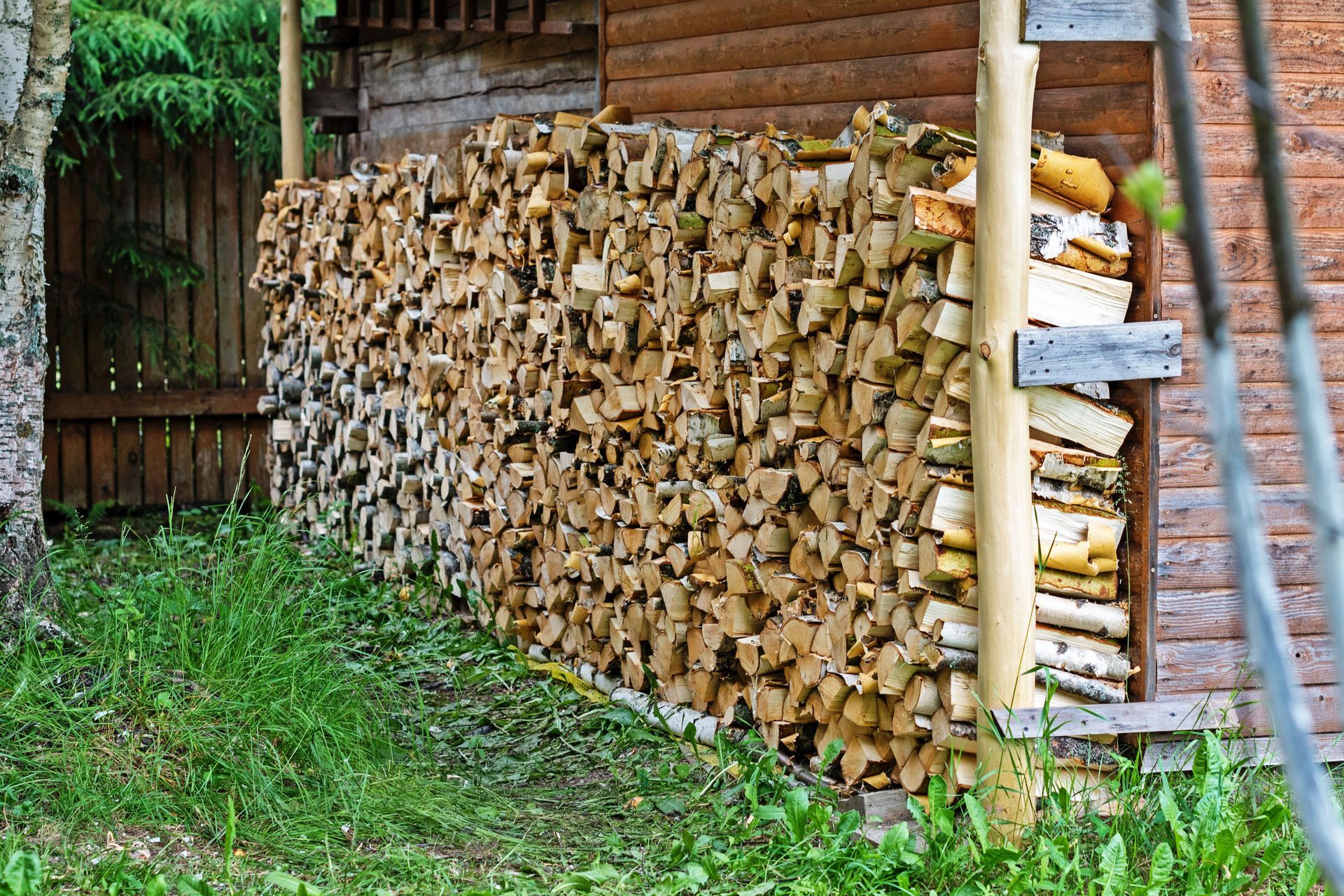
Storage capacity is another important part of determining how much firewood to purchase. Properly storing wood keeps it dry, usable, and efficient for burning throughout winter. Homes with large, covered storage areas can hold multiple cords at once, making it easier to secure a full season’s supply early. Those with limited space may choose to schedule periodic deliveries to maintain a manageable inventory. Firewood services can advise on appropriate storage practices, ensuring that each delivery remains in optimal condition until it is needed.
The Personal Heating Habits and Daily Routines
No two households use firewood in exactly the same way. Some families light fires only in the evening, while others maintain a fire throughout the day. Households that spend more time at home typically burn more wood, especially if they rely on a wood stove for comfort and consistent heating. Understanding these habits helps refine the estimate of how much firewood is required each winter. Firewood services often discuss lifestyle patterns with homeowners to determine a comfortable and realistic supply that accounts for everyday routines.
The Support and Reliability From Firewood Services
One of the most effective ways to maintain a stable firewood supply is to work with dependable firewood services that understand regional climates, wood quality, and household heating needs. Providers help homeowners identify the type and quantity of wood that suits their winter routines, offering timely deliveries throughout the season when needed. They help ensure that the wood is properly seasoned, evenly cut, and ready to burn. This professional support gives families confidence that their plans for winter heating are well-managed, making the entire season more comfortable and predictable.
Determining how much firewood is necessary for winter depends on several important factors, including climate, home size, heating appliance efficiency, and personal habits. By understanding these elements, homeowners can plan effectively, avoid shortages, and maintain steady warmth throughout the season. Working with firewood services provides valuable guidance and reliable supply options that make winter preparation easier and more efficient. With thoughtful planning and the right approach, families can enjoy a comfortable, well-heated home no matter how long or cold the winter becomes. Do you need firewood for the winter to keep your home warm? Count on us at Chicago Firewood. Reach out today to learn about our services and wood options!